Switch Mode

Understanding the psychology behind gambling What drives people to take risks

Understanding the psychology behind gambling What drives people to take risks

The Thrill of Uncertainty

One of the most compelling aspects of gambling is the thrill derived from uncertainty. This unpredictability is enticing; it triggers the brain’s reward pathways, making players feel exhilarated. The anticipation of winning a jackpot or hitting a winning hand can lead to a heightened sense of excitement. This thrill can become addictive, as individuals often chase that euphoric feeling, leading them to take greater risks in hopes of experiencing the same rush again. If you’re looking for an exciting online gaming experience, LolaJack Casino offers a variety of games that can immerse players in this thrilling world.
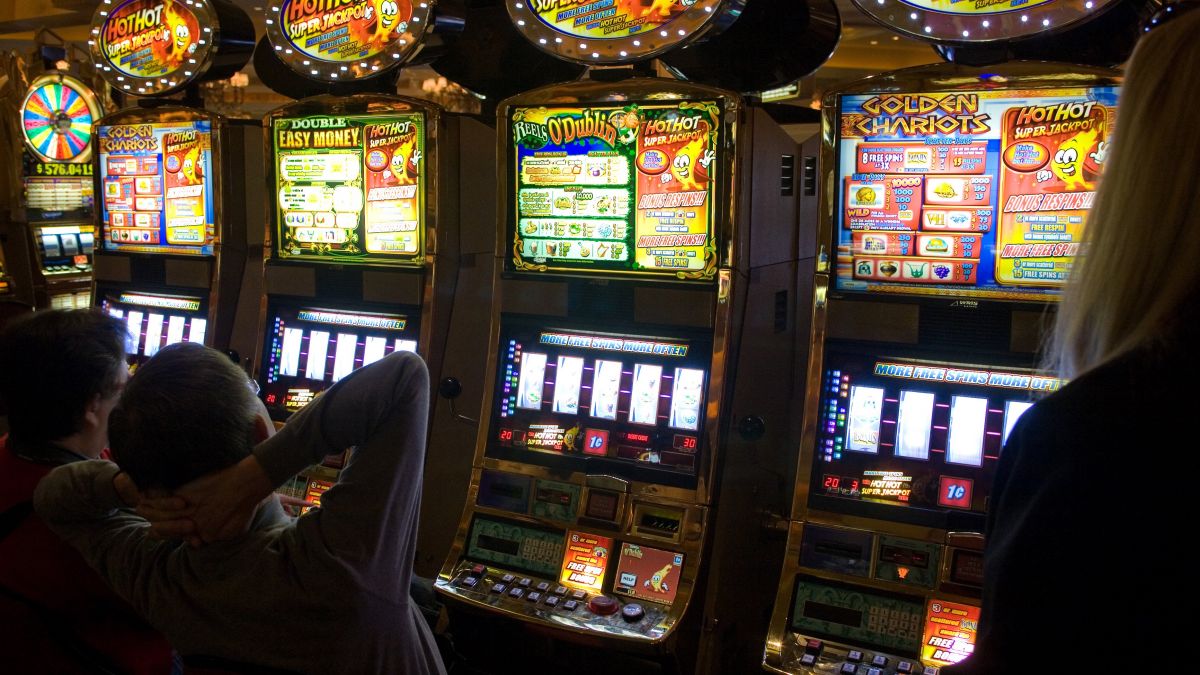
Moreover, the uncertainty in gambling mirrors many real-life scenarios where risk and reward are intertwined. Whether it’s investing in stocks or making important life decisions, the potential for reward often comes with a degree of unpredictability. This parallel can draw people to gambling as a way to engage with risk in a controlled environment. As players experience wins, they may become more inclined to push their limits, increasing their risk-taking behavior.

This psychological pull is not solely about monetary gains but also connects to personal identity. Many individuals view themselves as risk-takers, and gambling provides a platform to express and validate this aspect of their personality. The excitement of wagering money can boost self-esteem and reinforce their self-image as adventurous individuals, contributing to a cycle of repeated gambling behavior.

The Role of Social Influence

Social dynamics play a significant role in the psychology of gambling. Many individuals are drawn to gambling environments, such as casinos or online platforms, due to social interactions. Whether it’s friends encouraging one another to place bets or sharing stories of significant wins, the communal aspect of gambling fosters a sense of belonging. This shared experience can amplify the desire to engage in risky behavior.

Furthermore, peer pressure can be a powerful motivator. In social situations, individuals may feel compelled to gamble to fit in or gain approval from their peers. This influence can lead to increased risk-taking, as individuals may engage in gambling behaviors they might not consider otherwise. The excitement of playing alongside others can overshadow the inherent risks, causing individuals to lose sight of their own limits.

The presence of social media has also transformed the landscape of gambling, showcasing glamorous lifestyles associated with winning. The glorification of high rollers and big winners can create unrealistic expectations, enticing individuals to take significant risks in pursuit of a similar lifestyle. This social reinforcement can lead to compulsive gambling behaviors, where individuals feel a continuous need to gamble to keep up with perceived social standards.

Addiction and the Brain’s Reward System

The neuroscience of gambling reveals how certain activities can lead to addiction. When people gamble, their brains release dopamine, a neurotransmitter associated with pleasure and reward. This chemical release can create a cycle of seeking more significant risks in hopes of attaining that euphoric feeling again. As players continue to gamble, their brains may become conditioned to seek out these experiences, leading to compulsive gambling behavior.

Research has shown that the brain’s reward system can become desensitized over time. Initially, small wins can cause a flood of dopamine, but as individuals become accustomed to these rewards, they may require higher stakes to achieve the same level of satisfaction. This escalation can lead to a dangerous cycle where individuals gamble larger amounts of money, risking financial stability in search of the same high.

The potential for addiction is a significant concern in gambling psychology. Many individuals may not recognize their behavior as problematic until substantial harm has been done. Understanding the psychological triggers and neurological underpinnings of gambling can be crucial for developing effective prevention and treatment strategies. By addressing these aspects, individuals can better navigate their relationship with risk and gambling.

The Impact of Cognitive Biases

Cognitive biases significantly influence gambling behavior, often leading individuals to make irrational decisions. For instance, the illusion of control can lead players to believe they can influence the outcome of games of chance. This skewed perception encourages individuals to take risks they might otherwise avoid. A classic example is when players feel that their betting strategies can overcome random odds, despite the inherent randomness of the games.

Another common cognitive bias is the gambler’s fallacy, where individuals believe that past outcomes can influence future events. For example, a player might think that a particular slot machine is ‘due’ for a payout after a streak of losses. This belief can encourage players to gamble more, as they become convinced that luck will eventually turn in their favor. Such biases can cloud judgment, making it challenging for individuals to make rational decisions regarding their gambling habits.

By understanding these cognitive biases, individuals can become more aware of how their thought processes influence their gambling behavior. Recognizing the irrational nature of some beliefs may help mitigate risk-taking behavior and promote more responsible gambling practices. Educational interventions focused on cognitive biases can empower individuals to approach gambling with a more analytical mindset, leading to healthier decision-making.

Responsible Gambling and Safe Practices

With the increasing accessibility of online gambling platforms, understanding responsible gambling practices is crucial. Individuals must learn to set limits on their time and money spent gambling. Establishing a budget before engaging in any gambling activity can significantly reduce the risk of falling into compulsive behaviors. By treating gambling as a form of entertainment rather than a source of income, individuals can maintain a healthier relationship with risk-taking.

Moreover, education and awareness about the risks associated with gambling can empower individuals to make informed decisions. Many organizations promote responsible gambling initiatives, offering resources for those who may be struggling with their gambling habits. Encouraging self-reflection and mindfulness can also help individuals recognize when their gambling becomes problematic, allowing for timely intervention.

Ultimately, the psychological aspects of gambling highlight the need for balanced approaches that recognize both the thrills of risk and the potential for addiction. Creating environments that promote responsible gambling can mitigate harmful behaviors while still allowing individuals to enjoy the excitement associated with gaming. Finding this balance is essential for fostering a sustainable gambling culture.

Experience Safe Gambling at LolaJack Casino

At LolaJack Casino, we prioritize a safe and responsible gambling environment for all our players. With an extensive selection of over 4,000 games, including slots and live casino tables, we aim to provide not only excitement but also security. Our platform is designed to enhance your gaming experience, ensuring that you can enjoy the thrill without compromising your well-being.

We also offer resources for responsible gambling, encouraging players to set limits and engage with our platform in a healthy manner. Our customer support is available 24/7, ensuring that help is always at hand for those who may need guidance. Join us to experience a seamless gaming environment that caters to your needs while promoting responsible practices.

With our lucrative welcome bonuses and rewarding VIP program, you can indulge in the thrill of gambling while maintaining a focus on responsible play. At LolaJack Casino, we believe in enhancing your gaming experience through fun, safety, and community support. Discover the excitement of online gaming with us today, and enjoy gambling in a responsible and enjoyable manner.

Understanding the psychology behind gambling What drives people to take risks

Understanding the psychology behind gambling What drives people to take risks

Understanding the psychology behind gambling What drives people to take risks

The Thrill of Uncertainty

One of the most compelling aspects of gambling is the thrill derived from uncertainty. This unpredictability is enticing; it triggers the brain's reward pathways, making players feel exhilarated. The anticipation of winning a jackpot or hitting a winning hand can lead to a heightened sense of excitement. This thrill can become addictive, as individuals often chase that euphoric feeling, leading them to take greater risks in hopes of experiencing the same rush again. If you're looking for an exciting online gaming experience, LolaJack Casino offers a variety of games that can immerse players in this thrilling world.

Moreover, the uncertainty in gambling mirrors many real-life scenarios where risk and reward are intertwined. Whether it’s investing in stocks or making important life decisions, the potential for reward often comes with a degree of unpredictability. This parallel can draw people to gambling as a way to engage with risk in a controlled environment. As players experience wins, they may become more inclined to push their limits, increasing their risk-taking behavior.

This psychological pull is not solely about monetary gains but also connects to personal identity. Many individuals view themselves as risk-takers, and gambling provides a platform to express and validate this aspect of their personality. The excitement of wagering money can boost self-esteem and reinforce their self-image as adventurous individuals, contributing to a cycle of repeated gambling behavior.

The Role of Social Influence

Social dynamics play a significant role in the psychology of gambling. Many individuals are drawn to gambling environments, such as casinos or online platforms, due to social interactions. Whether it's friends encouraging one another to place bets or sharing stories of significant wins, the communal aspect of gambling fosters a sense of belonging. This shared experience can amplify the desire to engage in risky behavior.

Furthermore, peer pressure can be a powerful motivator. In social situations, individuals may feel compelled to gamble to fit in or gain approval from their peers. This influence can lead to increased risk-taking, as individuals may engage in gambling behaviors they might not consider otherwise. The excitement of playing alongside others can overshadow the inherent risks, causing individuals to lose sight of their own limits.

The presence of social media has also transformed the landscape of gambling, showcasing glamorous lifestyles associated with winning. The glorification of high rollers and big winners can create unrealistic expectations, enticing individuals to take significant risks in pursuit of a similar lifestyle. This social reinforcement can lead to compulsive gambling behaviors, where individuals feel a continuous need to gamble to keep up with perceived social standards.

Addiction and the Brain's Reward System

The neuroscience of gambling reveals how certain activities can lead to addiction. When people gamble, their brains release dopamine, a neurotransmitter associated with pleasure and reward. This chemical release can create a cycle of seeking more significant risks in hopes of attaining that euphoric feeling again. As players continue to gamble, their brains may become conditioned to seek out these experiences, leading to compulsive gambling behavior.

Research has shown that the brain's reward system can become desensitized over time. Initially, small wins can cause a flood of dopamine, but as individuals become accustomed to these rewards, they may require higher stakes to achieve the same level of satisfaction. This escalation can lead to a dangerous cycle where individuals gamble larger amounts of money, risking financial stability in search of the same high.

The potential for addiction is a significant concern in gambling psychology. Many individuals may not recognize their behavior as problematic until substantial harm has been done. Understanding the psychological triggers and neurological underpinnings of gambling can be crucial for developing effective prevention and treatment strategies. By addressing these aspects, individuals can better navigate their relationship with risk and gambling.

The Impact of Cognitive Biases

Cognitive biases significantly influence gambling behavior, often leading individuals to make irrational decisions. For instance, the illusion of control can lead players to believe they can influence the outcome of games of chance. This skewed perception encourages individuals to take risks they might otherwise avoid. A classic example is when players feel that their betting strategies can overcome random odds, despite the inherent randomness of the games.

Another common cognitive bias is the gambler's fallacy, where individuals believe that past outcomes can influence future events. For example, a player might think that a particular slot machine is 'due' for a payout after a streak of losses. This belief can encourage players to gamble more, as they become convinced that luck will eventually turn in their favor. Such biases can cloud judgment, making it challenging for individuals to make rational decisions regarding their gambling habits.

By understanding these cognitive biases, individuals can become more aware of how their thought processes influence their gambling behavior. Recognizing the irrational nature of some beliefs may help mitigate risk-taking behavior and promote more responsible gambling practices. Educational interventions focused on cognitive biases can empower individuals to approach gambling with a more analytical mindset, leading to healthier decision-making.

Responsible Gambling and Safe Practices

With the increasing accessibility of online gambling platforms, understanding responsible gambling practices is crucial. Individuals must learn to set limits on their time and money spent gambling. Establishing a budget before engaging in any gambling activity can significantly reduce the risk of falling into compulsive behaviors. By treating gambling as a form of entertainment rather than a source of income, individuals can maintain a healthier relationship with risk-taking.

Moreover, education and awareness about the risks associated with gambling can empower individuals to make informed decisions. Many organizations promote responsible gambling initiatives, offering resources for those who may be struggling with their gambling habits. Encouraging self-reflection and mindfulness can also help individuals recognize when their gambling becomes problematic, allowing for timely intervention.

Ultimately, the psychological aspects of gambling highlight the need for balanced approaches that recognize both the thrills of risk and the potential for addiction. Creating environments that promote responsible gambling can mitigate harmful behaviors while still allowing individuals to enjoy the excitement associated with gaming. Finding this balance is essential for fostering a sustainable gambling culture.

Experience Safe Gambling at LolaJack Casino

At LolaJack Casino, we prioritize a safe and responsible gambling environment for all our players. With an extensive selection of over 4,000 games, including slots and live casino tables, we aim to provide not only excitement but also security. Our platform is designed to enhance your gaming experience, ensuring that you can enjoy the thrill without compromising your well-being.

We also offer resources for responsible gambling, encouraging players to set limits and engage with our platform in a healthy manner. Our customer support is available 24/7, ensuring that help is always at hand for those who may need guidance. Join us to experience a seamless gaming environment that caters to your needs while promoting responsible practices.

With our lucrative welcome bonuses and rewarding VIP program, you can indulge in the thrill of gambling while maintaining a focus on responsible play. At LolaJack Casino, we believe in enhancing your gaming experience through fun, safety, and community support. Discover the excitement of online gaming with us today, and enjoy gambling in a responsible and enjoyable manner.

Comment

Leave a Reply

Your email address will not be published. Required fields are marked *

Options

not work with dark mode
Reset